

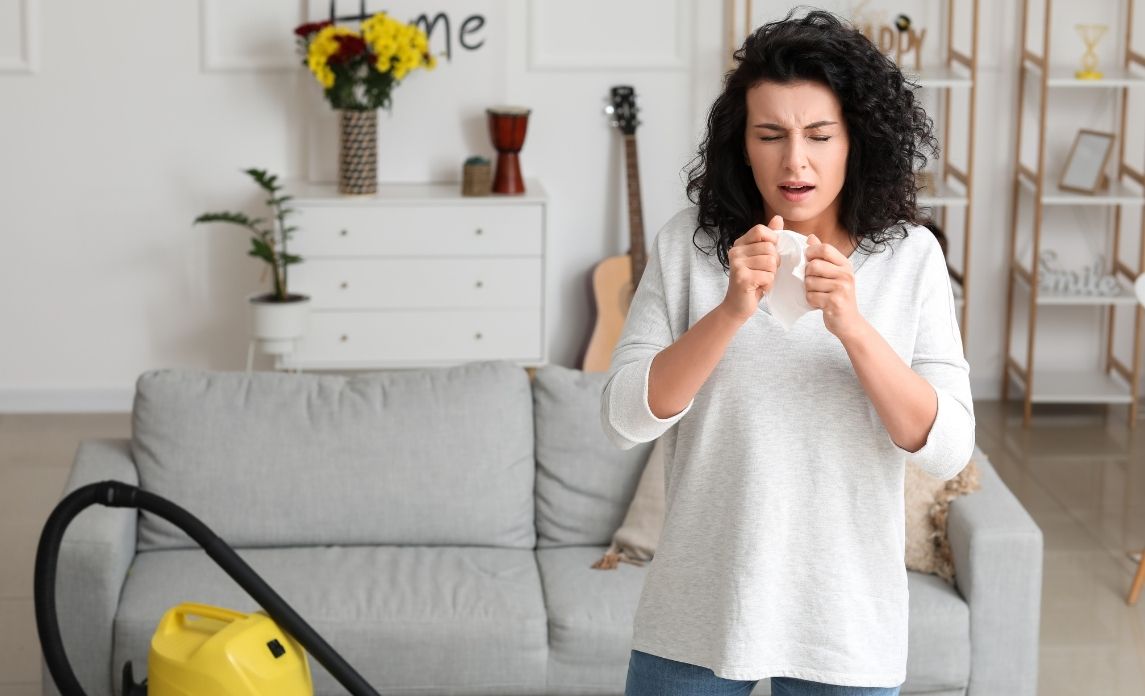
Winter in New Zealand brings more than just chilly temperatures—it's also peak season for viruses and respiratory illnesses. Cold, stagnant air allows infectious droplets to linger longer, while lower temperatures create ideal conditions for germs to multiply rapidly.
Whether you're managing a busy office in Auckland or a retail space in Christchurch, maintaining proper sanitisation during winter is crucial for protecting your team and customers. Here's how to create a healthier environment during the colder months:
Partner with Professional Commercial Cleaners
The most effective approach to maintaining a truly hygienic workplace is to hire experienced commercial cleaners. Professional cleaning services bring specialised knowledge, hospital-grade disinfectants, and advanced equipment that deliver superior results compared to standard cleaning methods.
While daily maintenance tasks like tidying workspaces and emptying bins remain important, leave intensive sanitisation to qualified professionals. They understand which products effectively eliminate winter viruses and how to apply them safely in commercial environments.
Don't Forget Ceiling Fans and Air Circulation
Many businesses overlook ceiling fans during winter, assuming they're unnecessary when temperatures drop. However, inactive fans become dust magnets, with blade tops accumulating significant debris within days.
This hidden dust harbours harmful bacteria including Staphylococcus and Streptococcus, which can trigger allergic reactions and respiratory issues among staff and visitors.
For safe ceiling fan cleaning, use a pillowcase to cover each blade, then gently pull it back to capture most dust particles. Follow up with a long-handled duster to remove remaining residue. Consider running fans on low speed periodically to maintain air circulation and prevent dust accumulation.
Strategic Placement of Sanitising Supplies
Make sanitisation effortless by placing disinfectant wipes and hand sanitiser at key touchpoints throughout your workplace. Target high-traffic areas like reception desks, meeting rooms, kitchen facilities, and lift buttons.
Don't overlook frequently handled items such as door handles, light switches, stair railings, and shared equipment like photocopiers and coffee machines. Mobile phones deserve special attention—these devices accompany us everywhere and can harbour thousands of microorganisms.
Regular sanitisation of these surfaces significantly reduces virus transmission and maintains a professional appearance.
Implement a "Clean Entry" Policy
Prevent outdoor contaminants from entering your workplace by establishing clear entry protocols. Place high-quality entrance mats both outside and inside doorways to capture dirt and moisture from footwear.
For offices with carpet or sensitive flooring, consider requesting staff and visitors remove outdoor shoes, providing clean indoor footwear if necessary. Install boot scrapers at entrances and ensure adequate ventilation in entry areas to prevent moisture buildup.
Declutter for Better Hygiene
Excess clutter creates numerous surfaces where viruses can survive and multiply. Conduct a thorough workspace audit, removing unnecessary decorative items and organising essential materials in designated storage areas.
Pay special attention to communal spaces—clear reception areas, streamline shared workstations, and establish organised systems for frequently used items like remote controls and stationery.
If your office features indoor plants, maintain dust-free leaves to improve air quality and plant health. Consider transitioning to digital communications to reduce paper clutter and minimise surface contamination risks.
Invest in Air Quality Improvement
New Zealand's winter weather keeps people indoors for extended periods, leading to poor air circulation and increased virus concentration. Quality air purifiers with HEPA filters effectively remove airborne pathogens and allergens from enclosed spaces.
Position air purifiers strategically throughout your workplace, particularly in meeting rooms, break areas, and reception spaces where people gather. Regular maintenance of HVAC systems also ensures optimal air quality and reduces virus transmission risks.
Stock Professional-Grade Disinfectants
Maintain an adequate supply of hospital-grade disinfectants for regular sanitisation of work surfaces, bathroom facilities, and common areas. Bleach-based solutions remain highly effective against most viruses when used correctly.
Always follow manufacturer instructions regarding dilution ratios and contact times to ensure maximum effectiveness. Never mix different cleaning chemicals—this can create dangerous fumes and reduce sanitising power. If these solutions meet hospital standards, they're more than adequate for commercial environments.
Train staff on proper disinfectant use and provide appropriate personal protective equipment to ensure safe application.
By implementing these comprehensive sanitisation strategies, you'll create a healthier workplace that protects your team's wellbeing and maintains business continuity throughout winter and beyond.