

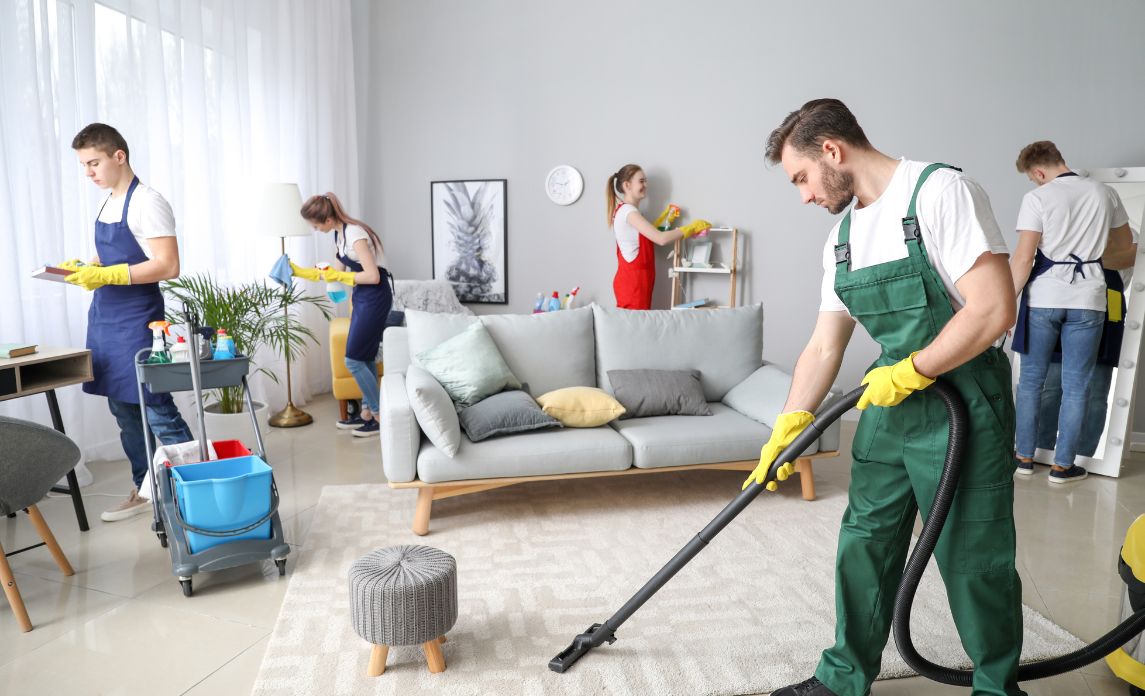
As New Zealand's cooler months approach, business owners face unique challenges in maintaining healthy, productive work environments. Winter's reduced natural light, increased humidity, and limited ventilation create conditions that demand proactive cleaning strategies.
A comprehensive pre-winter deep clean addresses these seasonal challenges head-on, ensuring commercial spaces remain fresh, safe, and welcoming throughout the colder months. Here's your complete guide to winter-ready commercial cleaning.
Strategic Decluttering for Winter Efficiency
Winter decluttering serves a dual purpose: creating organised workspaces and improving air circulation when natural ventilation is limited. Start this process well before the peak winter months to ensure thoroughness.
Approach each area systematically, sorting items into three categories: essential business items, items for donation or storage, and items for disposal. Focus particularly on reception areas, staff common rooms, and storage spaces where clutter tends to accumulate.
Pay special attention to clearing areas around heating vents and radiators, as blocked airflow can create uneven temperatures and potential moisture problems. Implement a maintenance system to keep workstations organised throughout winter, when staff spend more time indoors and workspace efficiency becomes crucial.
Indoor Air Quality: Your Winter Priority
New Zealand's winter conditions—characterised by sealed buildings and increased humidity—make air quality management critical for employee health and productivity.
Schedule professional HVAC system maintenance before winter peaks. This includes replacing filters, cleaning ventilation ducts, and ensuring optimal system performance. Given New Zealand's variable winter weather, systems often work harder to maintain comfortable temperatures whilst managing humidity levels.
Establish a daily ventilation routine when weather permits. Even 10 to 15 minutes of fresh air circulation during milder periods can significantly reduce indoor pollutant buildup and moisture accumulation.
Consider commercial-grade air purification systems with HEPA filtration for high-occupancy areas. These systems prove particularly valuable in meeting rooms and open-plan offices where multiple people share enclosed spaces for extended periods.
Flooring and Carpet Care for Wet Weather
Winter weather brings increased moisture and debris into commercial spaces through foot traffic, making comprehensive floor care essential for maintaining professional standards and extending surface life.
Begin with thorough professional vacuum cleaning using commercial-grade equipment capable of extracting deep-seated dirt and debris. Follow with steam cleaning or hot water extraction for carpeted areas, paying particular attention to entrance zones and high-traffic corridors.
For hard flooring surfaces, implement appropriate cleaning protocols using pH-neutral cleaners that won't damage surfaces whilst providing effective cleaning. Ensure adequate drying time to prevent slip hazards—particularly important during winter when natural air circulation is reduced.
Install high-quality entrance matting systems to capture moisture and debris before it spreads throughout the facility. Position mats both outside and inside entrances, and establish a regular cleaning schedule to maintain their effectiveness.
Maximising Natural Light Through Clean Glass
With New Zealand's shorter winter days, every ray of natural light becomes precious for maintaining workplace productivity and staff wellbeing. Clean windows and glass surfaces maximise available light penetration.
Professional window cleaning should address both interior and exterior surfaces using streak-free commercial solutions. For ongoing interior maintenance, a solution combining white vinegar with warm water applied using microfibre cloths provides effective results without chemical residues.
Don't overlook interior glass surfaces including partitions, display cases, and office fronts. These surfaces accumulate fingerprints, dust, and airborne particles more rapidly in closed winter environments, reducing light transmission and overall workspace appearance.
Textile and Upholstery Maintenance
Commercial upholstery receives increased wear during winter months when staff spend more time indoors, whilst reduced ventilation limits natural drying and freshening.
Schedule professional cleaning for all fabric furnishings including office chairs, reception seating, and fabric partitions. The process should include thorough vacuuming, targeted stain treatment, and sanitisation to eliminate bacteria and allergens that accumulate in textile fibres.
Address often-overlooked textile items such as curtains, blinds, and acoustic panels. These items collect significant amounts of dust and airborne particles, potentially affecting indoor air quality when ventilation is limited.
For facilities with staff break areas containing soft furnishings, ensure all items meet cleanliness standards and consider protective treatments to maintain freshness throughout the winter period.
Deep Sanitation of Critical Areas
Kitchen and bathroom facilities require intensive pre-winter attention, as these high-moisture areas become particularly challenging during New Zealand's humid winter conditions.
Commercial Kitchen Deep Clean
Address all appliances systematically, including refrigeration units, cooking equipment, and cleaning appliances. Pay particular attention to ventilation systems, as cooking moisture can exacerbate winter condensation problems.
Ensure grease extraction systems receive professional cleaning to maintain both air quality and compliance with New Zealand's fire safety regulations. Clean and sanitise all food preparation surfaces using appropriate commercial-grade products.
Check and clean drainage systems to prevent blockages that could cause flooding during heavy winter rains.
Bathroom Facility Maintenance
Focus on moisture-prone areas including tile grout, shower facilities, and exhaust ventilation systems. Apply appropriate anti-microbial treatments to surfaces susceptible to winter moisture accumulation.
Ensure all fixtures receive thorough sanitisation and that drainage systems function optimally to prevent standing water—a particular concern during New Zealand's variable winter weather patterns.
Storage Space Organisation and Protection
Well-organised storage areas become essential during winter when seasonal supplies, emergency equipment, and additional inventory may be required. Proper preparation prevents moisture damage and maintains accessibility.
Empty storage areas completely to enable thorough cleaning of all surfaces including walls, shelving units, and flooring. Inspect for signs of moisture intrusion or pest activity that could worsen during winter months.
Implement systematic organisation using commercial storage solutions such as sealed containers, adjustable shelving systems, and clear labelling systems. Ensure adequate ventilation to prevent condensation and maintain air quality.
Establish regular inspection schedules throughout winter to monitor for moisture problems and pest activity—both common concerns in New Zealand's variable winter climate.
Comprehensive winter deep cleaning establishes the foundation for maintaining healthy, productive work environments throughout New Zealand's challenging winter conditions. By addressing air quality, moisture management, and thorough sanitisation before winter intensifies, businesses protect staff wellbeing whilst maintaining operational efficiency.
Professional commercial cleaning services understand the specific requirements of New Zealand workplaces during winter months. Crewcare's commercial cleaning services provide comprehensive solutions designed to keep New Zealand businesses operating at their best, regardless of seasonal challenges.