

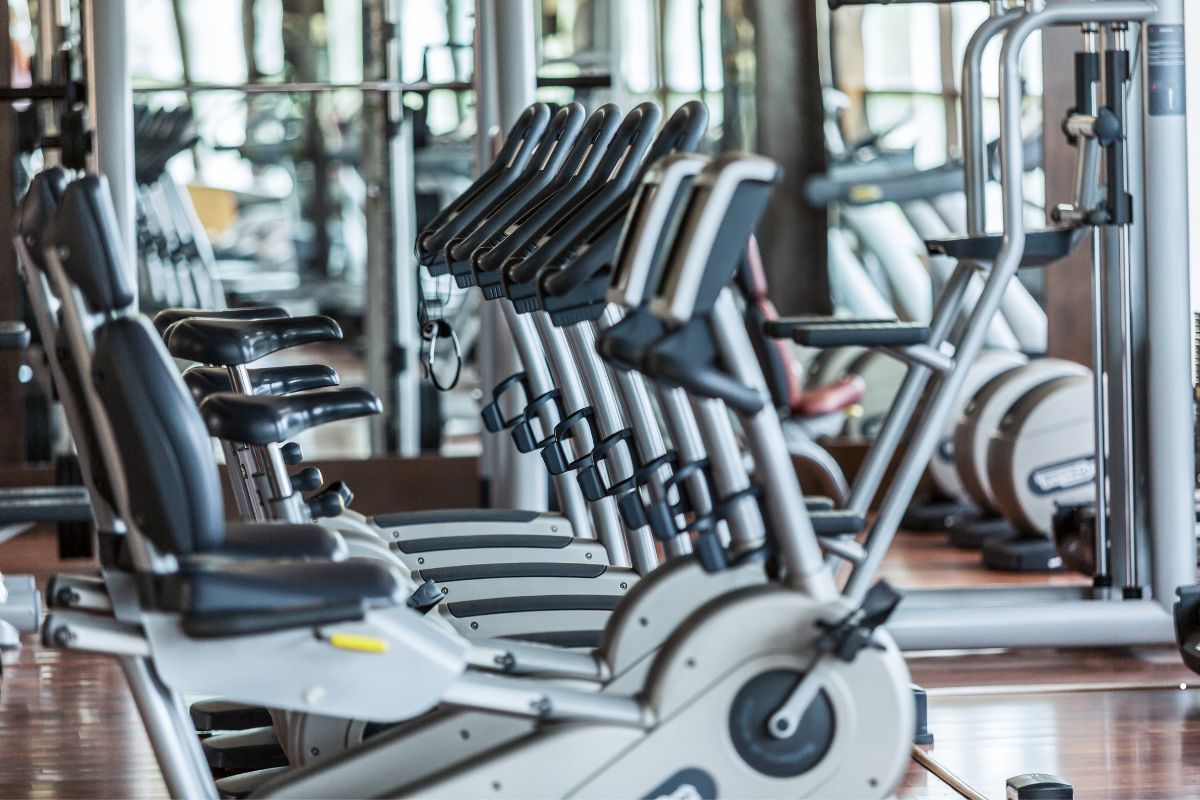
Gym equipment can harbour more bacteria than a public toilet. For any gym owner, that fact alone makes cleanliness a business-critical concern, not just a housekeeping task.
Keeping a fitness facility genuinely hygienic goes beyond booking a professional gym clean. It takes a coordinated effort from your cleaning partner, your staff, and your members. Here is how that collaboration works in practice.
Why Gym Cleanliness Matters More Than You Think
High traffic, shared equipment, and sweat-heavy environments create ideal conditions for bacteria, viruses, and fungi to spread. The risks are real and the consequences are visible.
Three reasons cleanliness deserves serious attention:
- Member health and safety. A hygienic environment is your first line of defence against infectious conditions like athlete's foot, staph infections, and respiratory illness.
- Brand reputation. Members notice. A facility that looks or smells unclean leaves a lasting negative impression, and that impression travels fast through word of mouth.
- Member retention. Cleanliness consistently ranks among the top factors members consider when deciding whether to stay or go. A clean gym keeps people coming back.
None of this can rest on one person or one scheduled clean. It requires everyone in the building to play a part.
Why Commercial Cleaning Is Non-Negotiable
A trained cleaning partner brings expertise, equipment, and products that go well beyond what in-house staff can manage. Commercial cleaning services are the foundation of any gym hygiene programme.
- Deep cleaning of high-traffic areas. Locker rooms, showers, and restrooms trap moisture and breed mould and mildew quickly. Professional cleaners use high-grade disinfectants to tackle these areas thoroughly.
- Specialised equipment cleaning. Treadmills, weight benches, and mats require regular sanitisation to remove sweat, body oils, and bacteria. The right technique and products matter here; the wrong ones can damage equipment.
- Health regulation compliance. Cleaning partners working in New Zealand fitness facilities understand local health and safety requirements and handle chemicals correctly.
That said, a cleaning partner is not on-site around the clock. The hours between scheduled cleans are where your team and your members make the difference.
The Role Your Staff Play Every Day
In-house staff are the eyes and hands of your hygiene programme between professional cleans. Their daily contribution keeps standards from slipping.
Regular Equipment Wipe-Downs
Treadmills, bikes, and free weights cycle through dozens of users in a single session. A rotating staff cleaning schedule keeps machines and benches wiped down consistently throughout operating hours, not just at open and close.
Spot-Checking High-Touch Areas
Door handles, locker room benches, and changing stations accumulate bacteria quickly. Staying on top of these spaces during peak hours, when foot traffic is highest, makes a measurable difference to overall hygiene.
Restocking Sanitising Stations
Sanitising wipes and hand sanitiser need to be available where members can actually see and reach them. Empty dispensers send the wrong message. Assign responsibility for restocking to specific staff at regular intervals throughout the day.
Monitoring Changing Rooms and Showers
Moisture builds fast in these spaces. Regular checks to remove wet towels, empty bins, and mop wet floors reduce both hygiene risk and slip hazards. These areas need attention several times across a shift, not just at closing time.
Member Responsibility: Building a Culture of Cleanliness
Members are not just users of the space; they are active participants in keeping it clean. Gym owners who make that expectation clear and easy to meet get better results.
Educate Members on Good Hygiene Habits
Remind members to:
- Wipe down equipment before and after use with provided disinfectant wipes.
- Use a towel when sitting or lying on machines to reduce direct skin contact.
- Wash hands regularly, especially after using equipment.
- Use hand sanitising stations when entering and leaving the facility.
Signage in high-traffic areas, onboarding materials for new members, and occasional email reminders all help keep these habits front of mind.
Make Cleaning Stations Easy to Find and Use
Position accessible cleaning stations throughout every section of the gym. Clear signage encouraging members to wipe down equipment before and after use creates a shared sense of accountability without requiring staff to police it.
Invite Member Feedback
Members often spot issues before staff do. Make it easy for them to flag cleanliness concerns, whether through a simple form, a conversation at the front desk, or a digital channel. Acting on that feedback quickly builds trust and catches problems early.
Why the Team Effort Approach Works
A commercial cleaning partner handles the deep work. Staff maintain standards between cleans. Members reinforce hygiene habits in real time. Together, these three layers create a facility that is consistently safe and welcoming, rather than one that dips in and out of acceptable standards.
A gym that takes cleanliness seriously signals something important to its members: their health matters here. That trust translates directly into loyalty, retention, and reputation.
Platforms like Carenote, Crewcare's digital cleaning accountability tool, support this team approach by providing transparent records of what has been cleaned, when, and to what standard. Gym managers can see the evidence rather than having to guess.
If you would like to talk through a cleaning programme built around your facility's schedule and needs, get in touch with the Crewcare team. That is where care beyond clean starts.